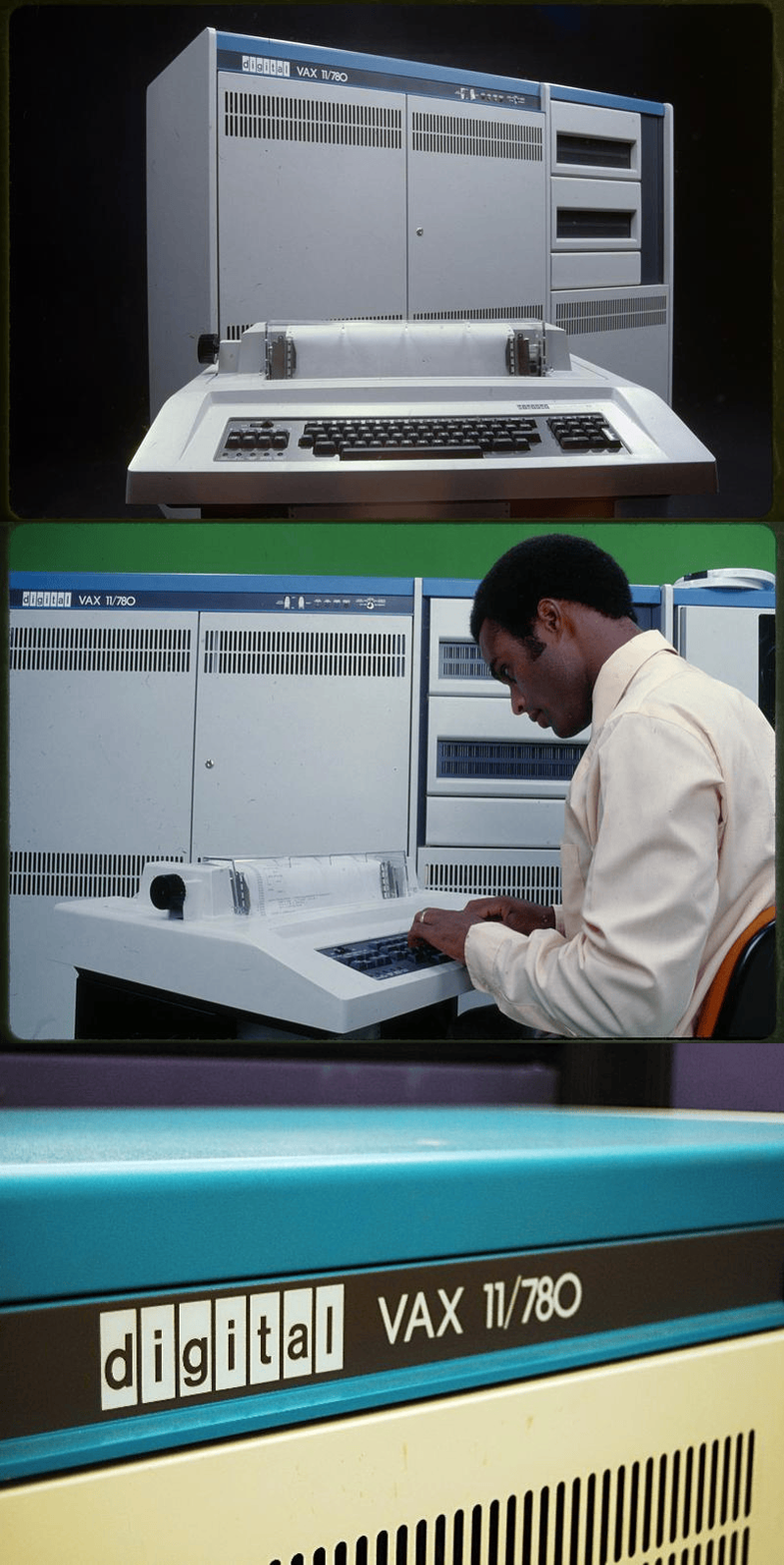
In 1980, a typical VAX computer, developed by Digital Equipment Corporation (DEC)
This series featured a 32-bit instruction set architecture and virtual memory.
VAX was designed by DEC as a successor to the 16-bit PDP-11, one of the most successful minicomputers in history, with approximately 600,000 units sold.
The name VAX refers to its virtual address extension concept that allowed programs to make use of this newly available memory while still being compatible with unmodified user mode PDP-11 code.